


Turn your wastewater into water your plant can use again
We design reuse trains that take secondary effluent up to the quality your process actually needs — sized to your water balance, your discharge permit and your reuse point.
Reuse is a match, not a machine
Reuse is not one technology. It is a match between two things: what your wastewater contains and what your reuse point can accept. Most projects fail at that match, not at the membrane — a train that is oversized wastes CAPEX, and one that is undersized fails the first time production changes.
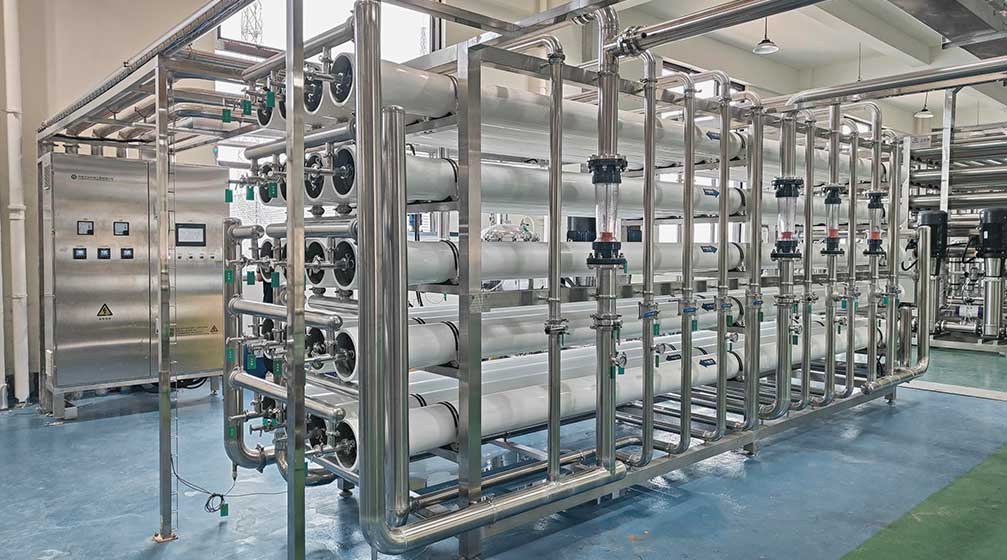
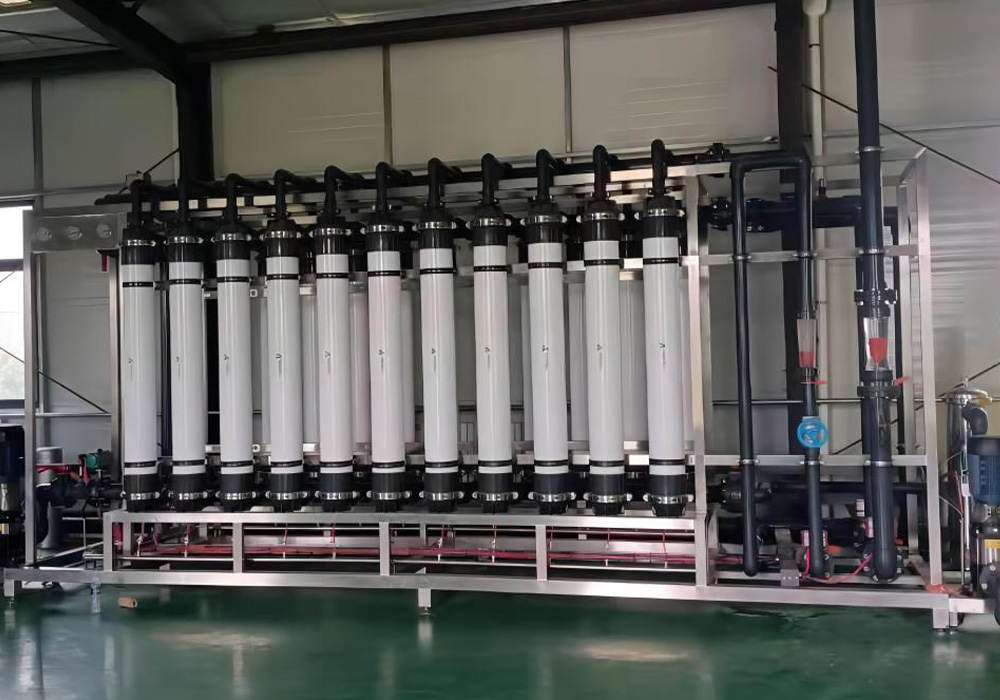
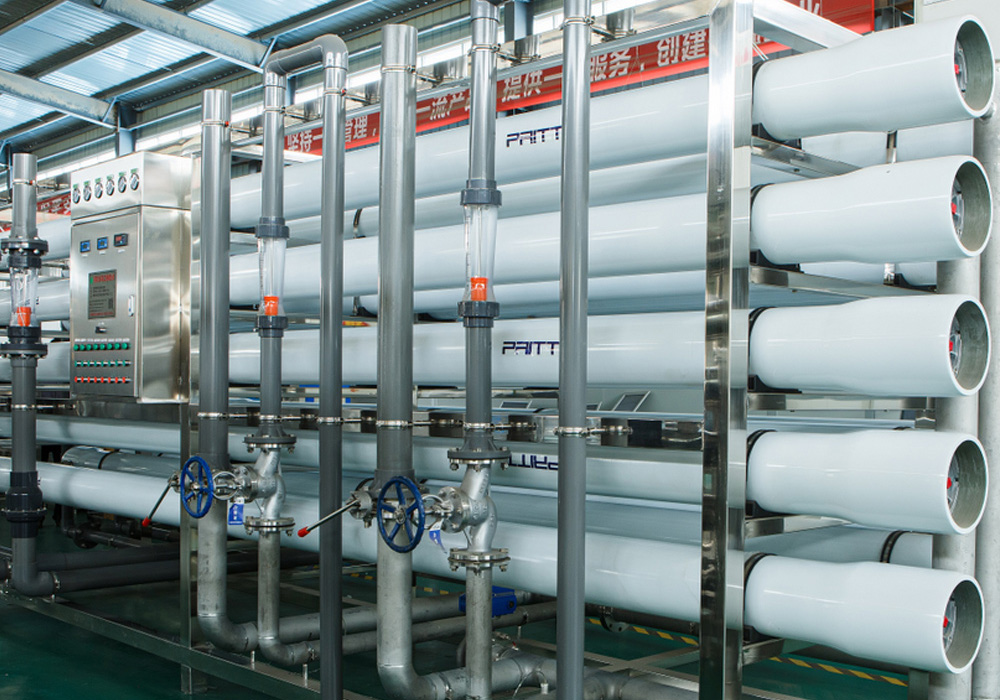
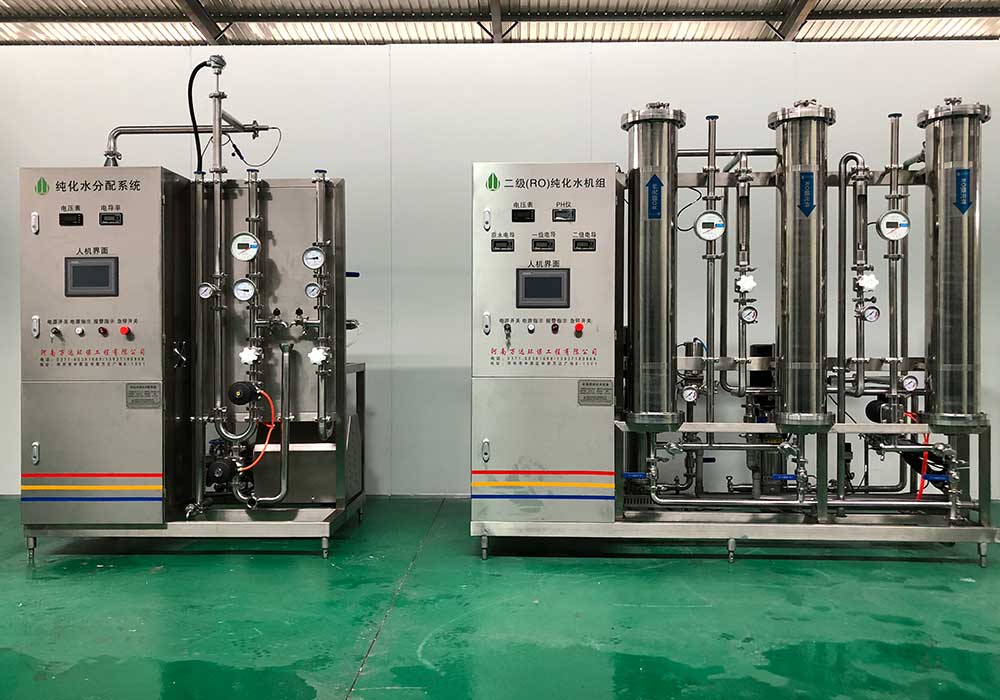
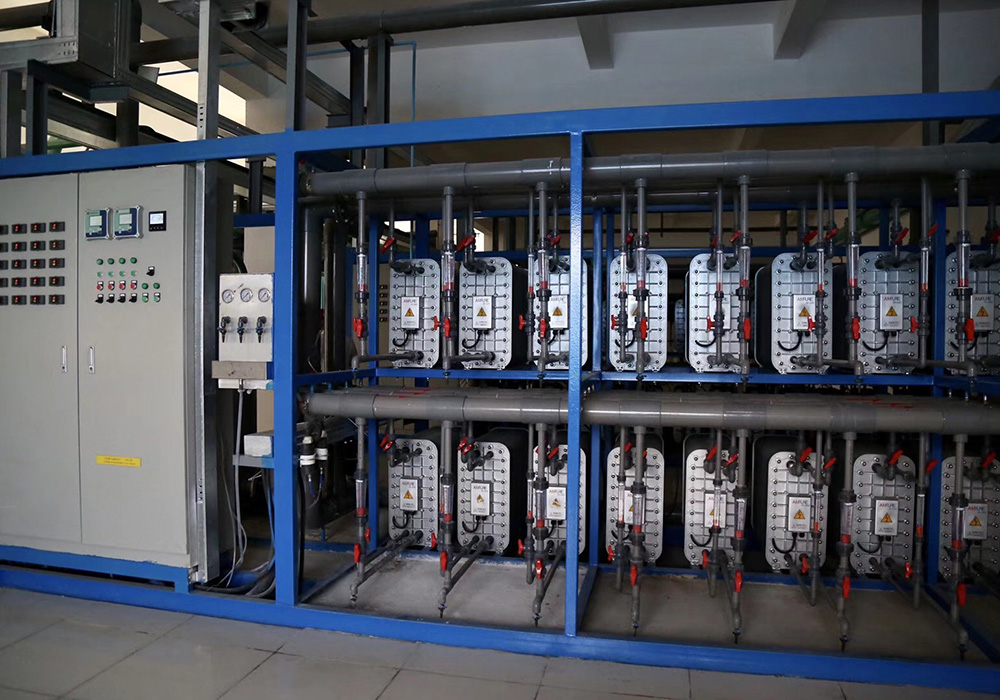
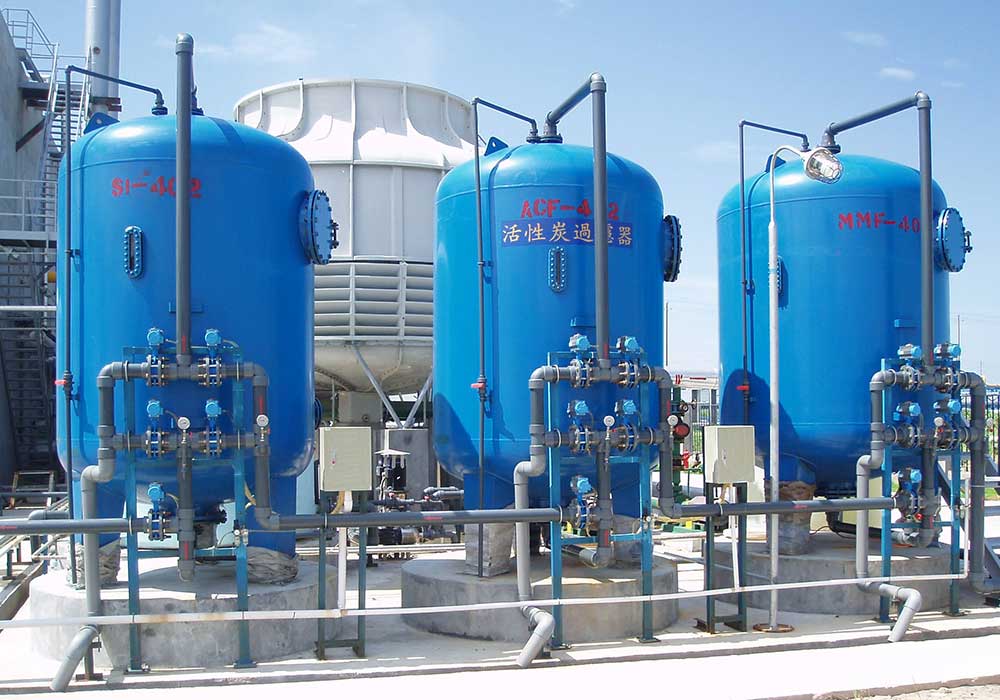
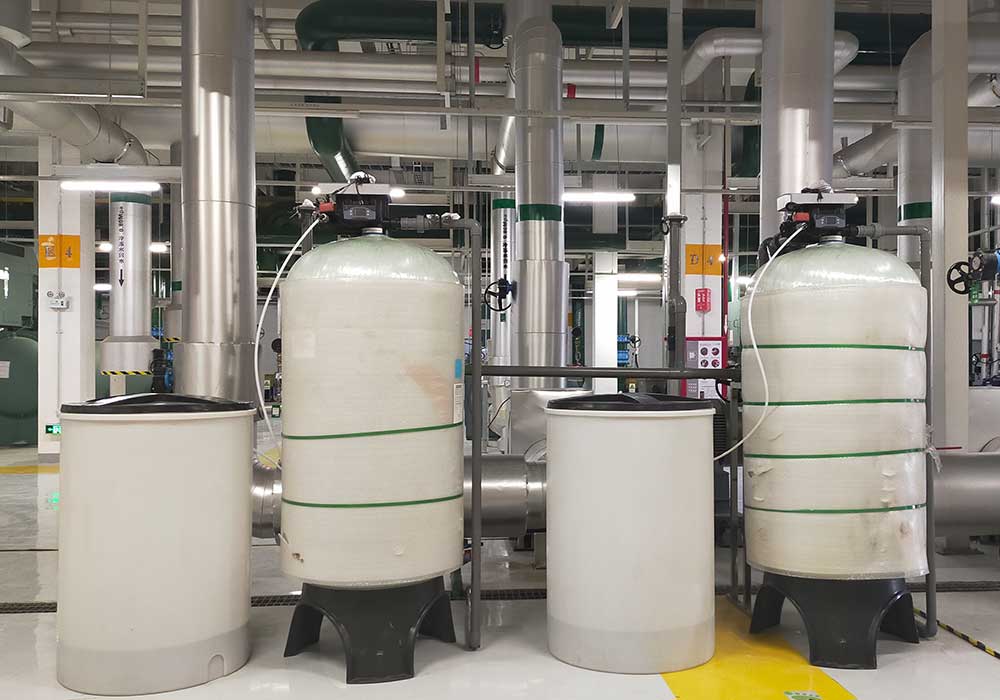
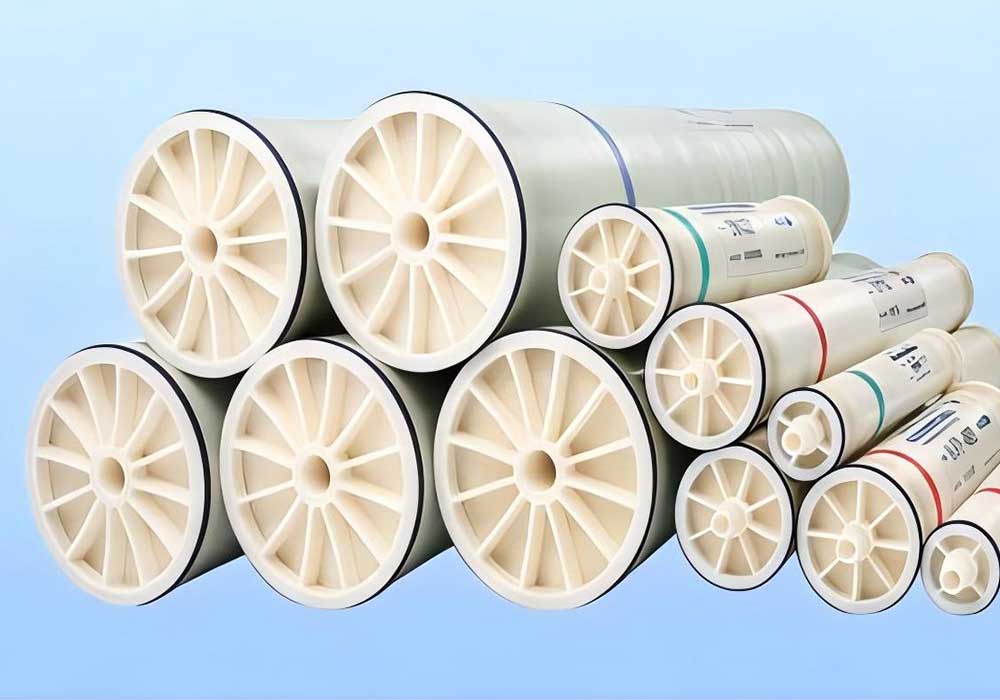
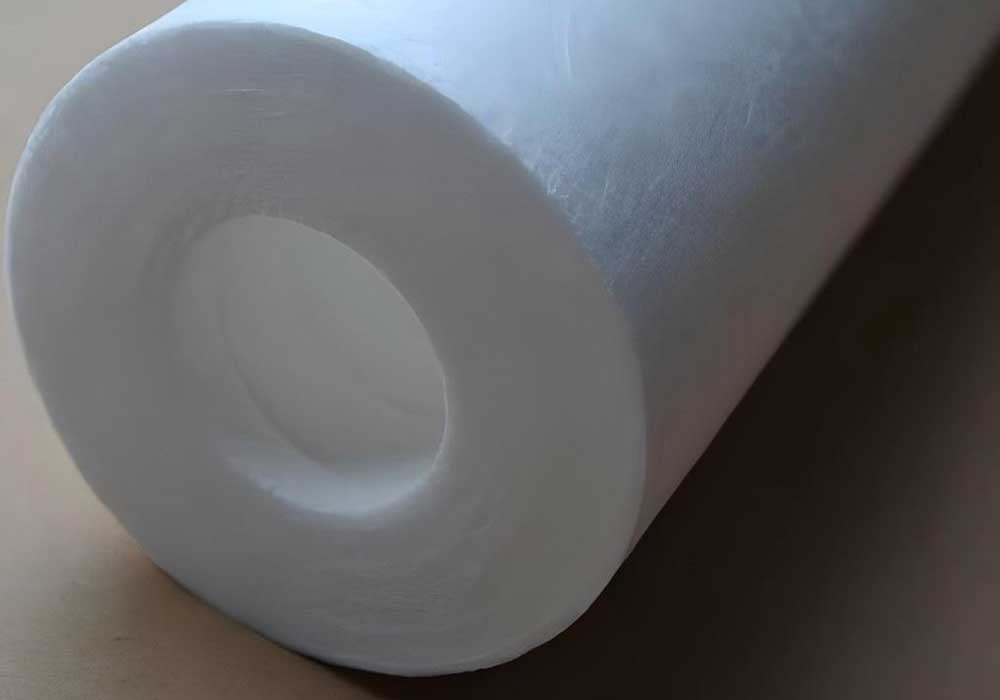
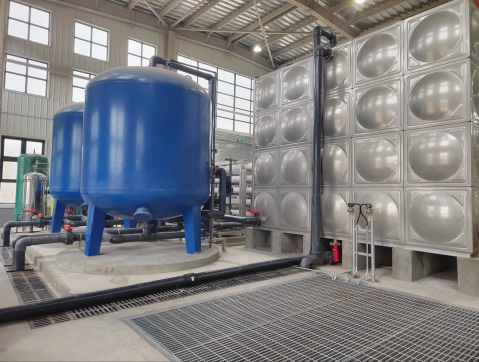
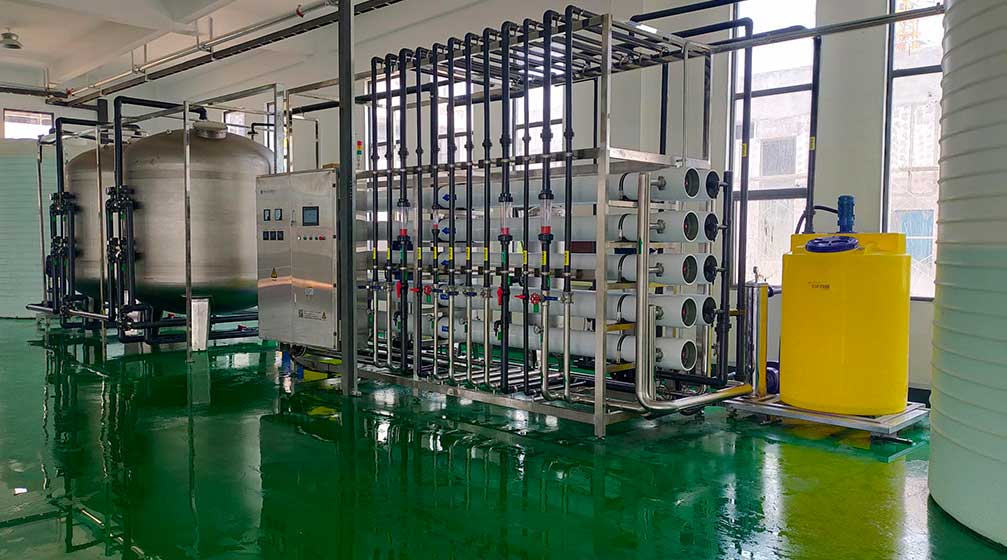
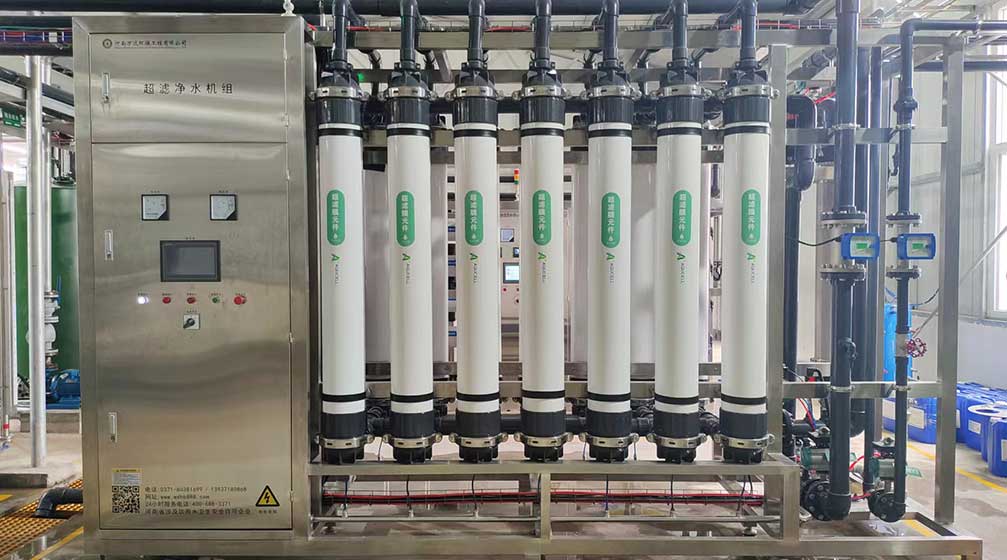
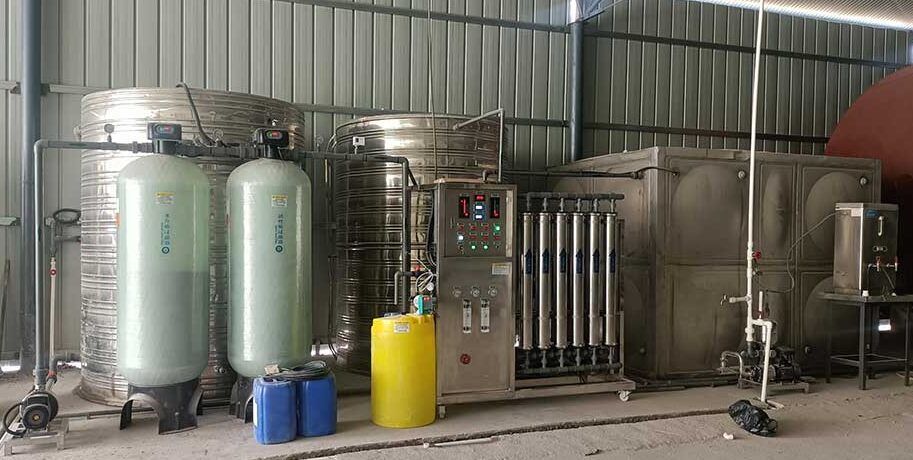
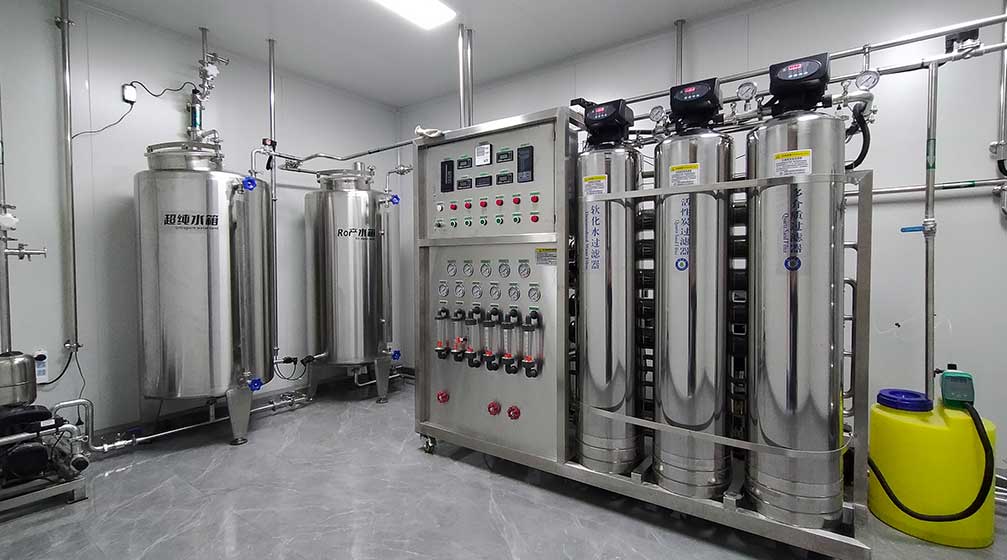
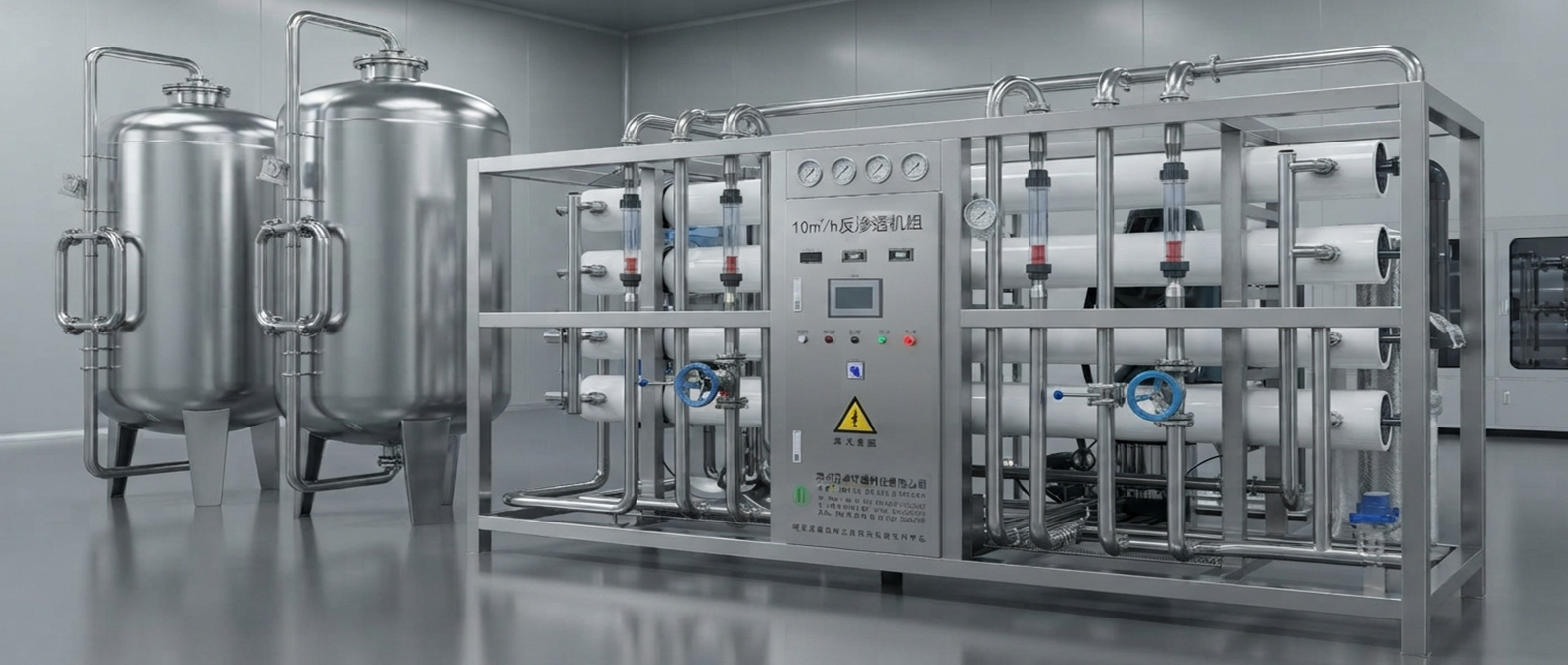
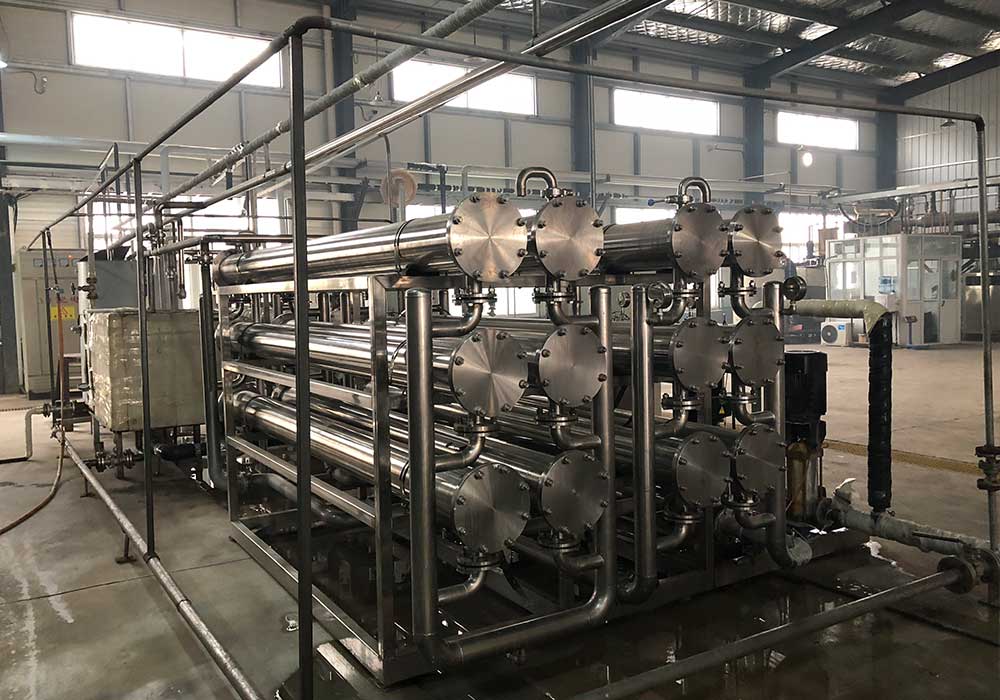
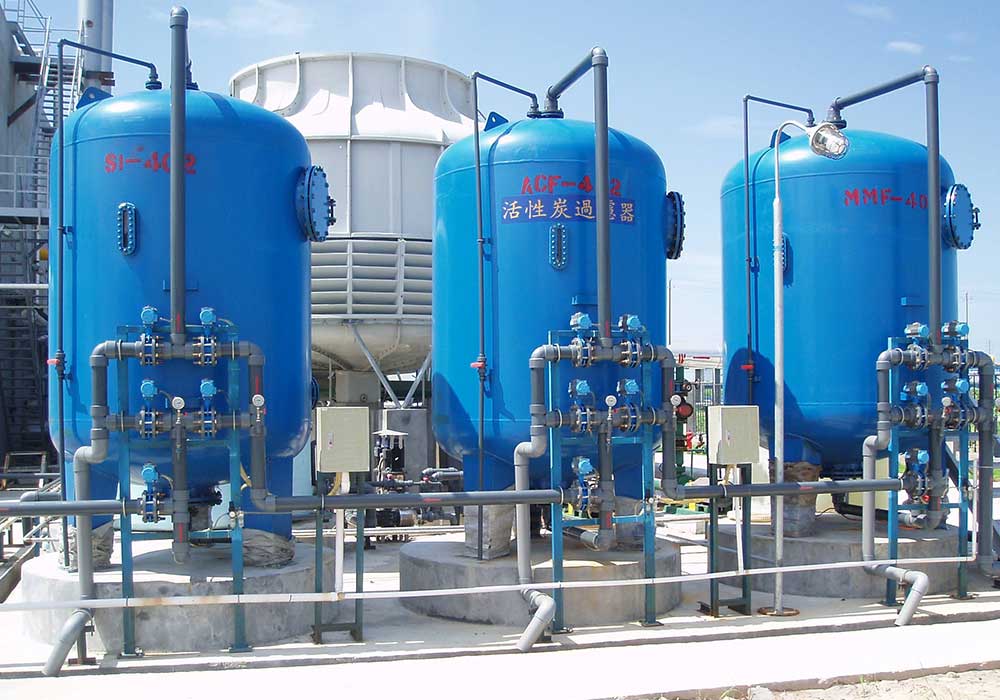
So we start from your water balance rather than a product list: how much you discharge, where you could use it back, and what the water has to meet at that point. From there we build the shortest train that gets you there — membrane bioreactor for high organic load, UF plus RO when dissolved salts matter, media filtration and activated carbon when only turbidity and colour need fixing, and a concentrator when your permit caps discharge volume rather than quality.
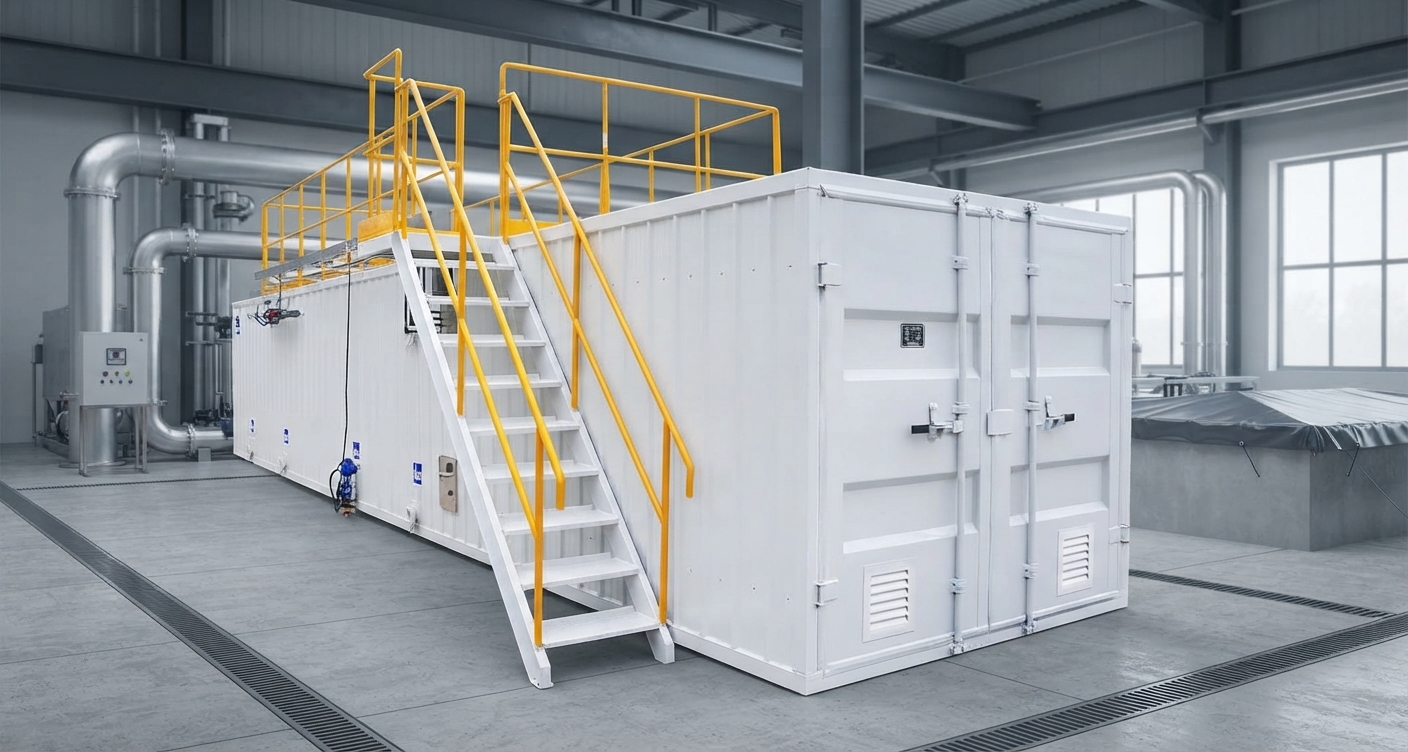
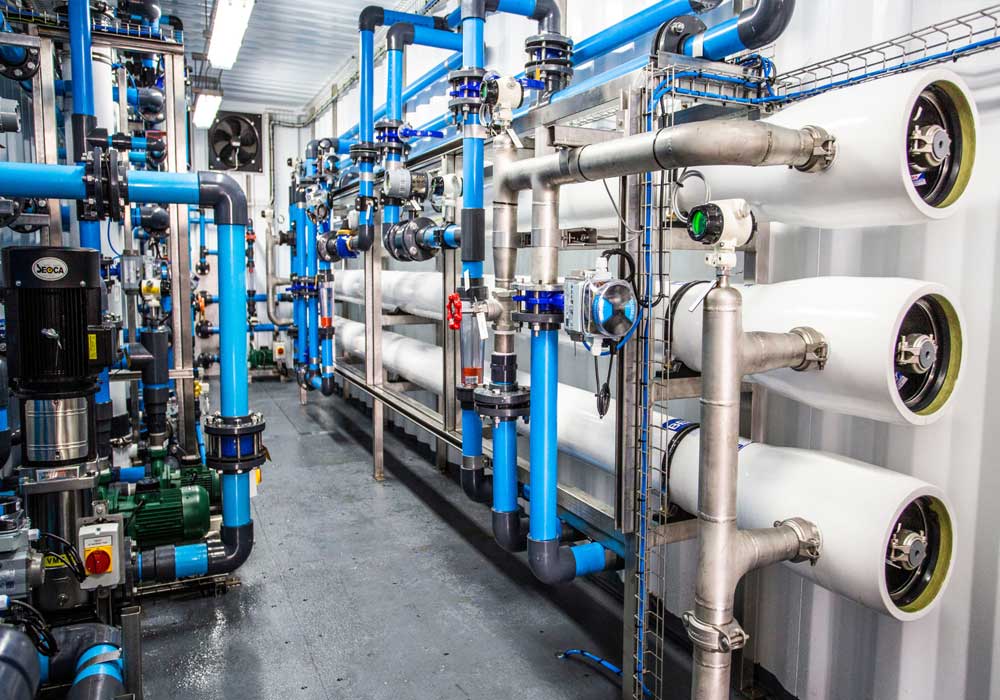
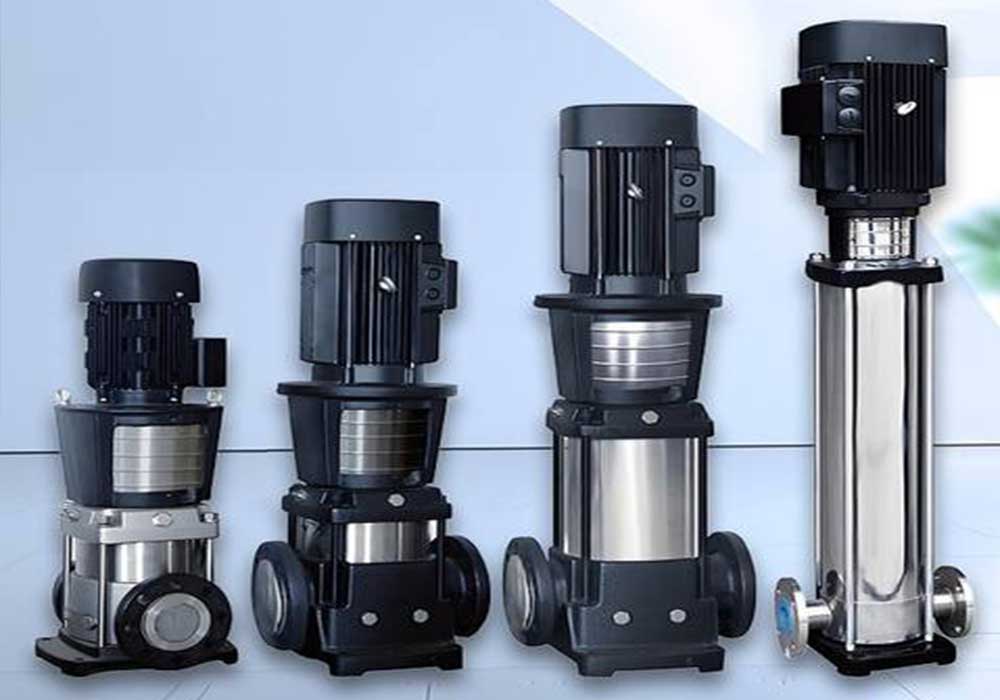
Every system is delivered as a working unit, not a set of equipment: mass balance and P&ID, pilot trial on your actual effluent if the duty is uncertain, skid or container assembly, installation, commissioning against agreed water quality, operator training and a membrane replacement schedule you can budget for.
Product Classification
Frequently Asked Questions (FAQ)
We employ a “consultative design” approach. We align deeply with your technical team during the design phase, delivering PFDs and 3D layouts to ensure the system perfectly matches your specific process constraints.
We establish a project baseline during the “Solution Finalization” phase. If adjustments are needed after the baseline is locked, we conduct an engineering impact assessment and provide a supplemental agreement, ensuring full transparency in project timelines and costs.
We adhere to a “transparency-first” principle. We provide a Bill of Materials (BOM) specifying the brand and model of all core components during the design phase, prioritizing Tier-1 global brands to ensure peak performance and global serviceability.
We adhere to rigorous quality management systems (ISO9001). For export projects, we support manufacturing compliant with international standards such as CE, UL, and ASME to meet your specific regional regulatory requirements.
For custom systems, we execute rigorous Factory Acceptance Testing (FAT). Protocols are tailor-made for your unique requirements, and we invite you to witness critical test stages via remote video. A comprehensive test report is included in the shipment.
Lead times depend on project scale and complexity. We clearly define key milestones—manufacturing, FAT, and shipping—in the contract to ensure transparent scheduling and timely project progression.
We provide 24/7 remote support via video guidance and online diagnostics. Senior engineers are available for on-site installation and commissioning services upon request.
We provide a comprehensive list of consumables upon delivery and offer full-lifecycle support. We ensure the regular supply of spare parts to prevent operational downtime.