
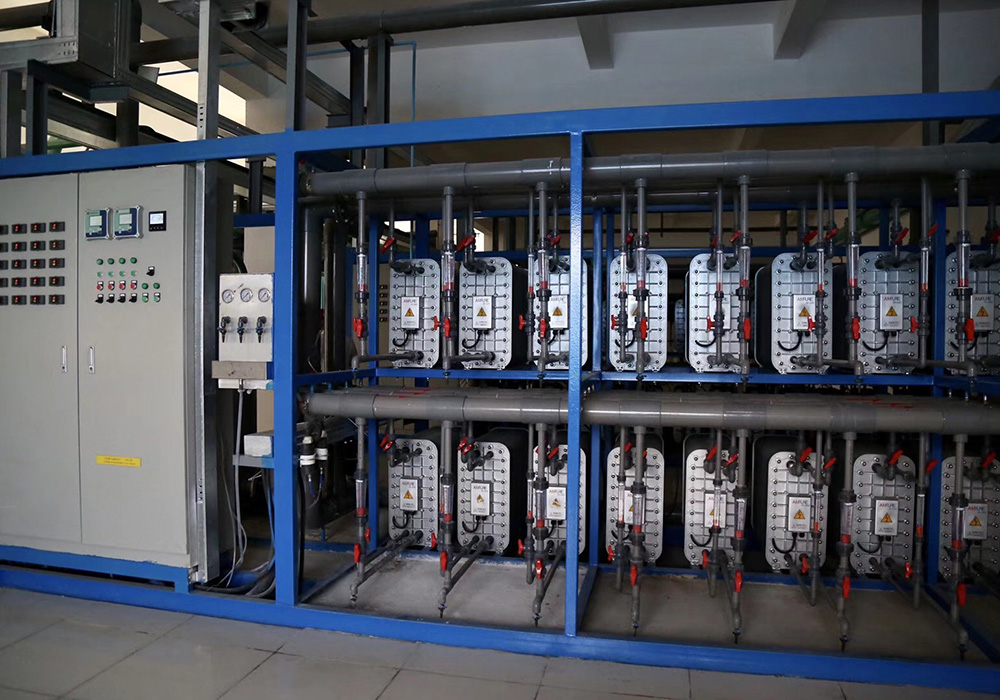
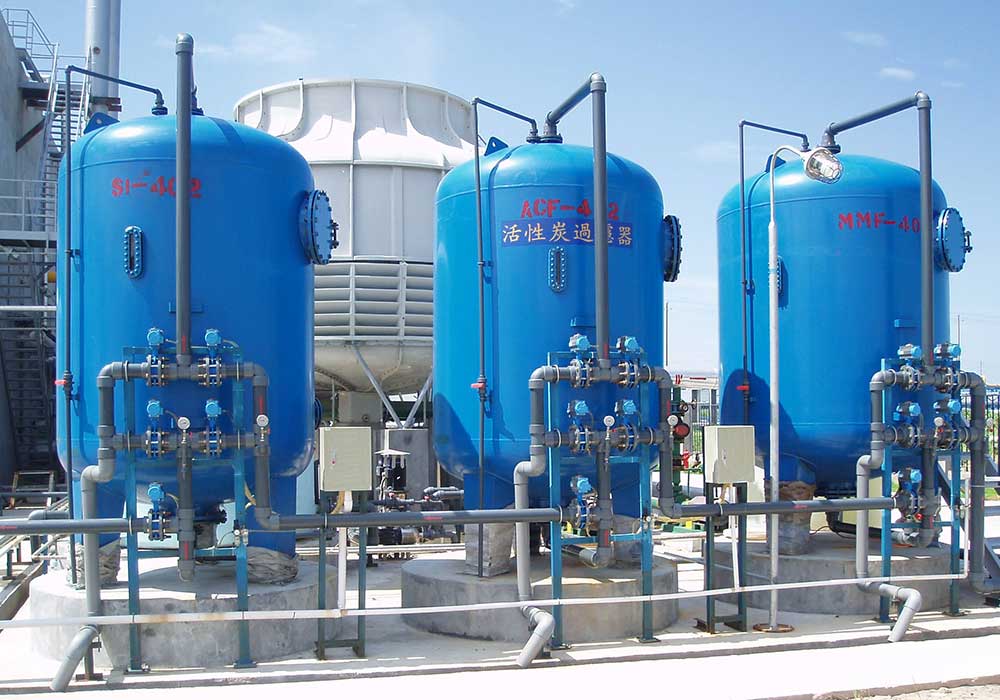
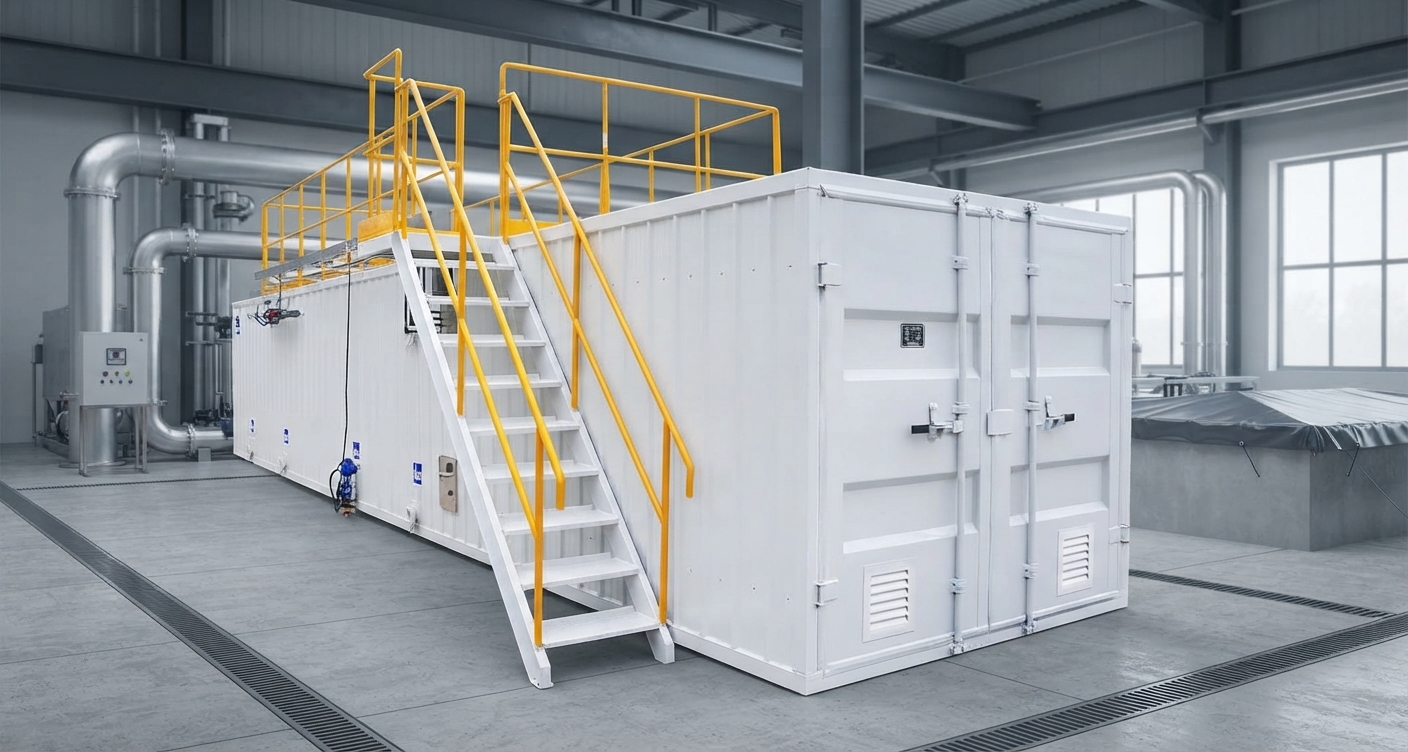
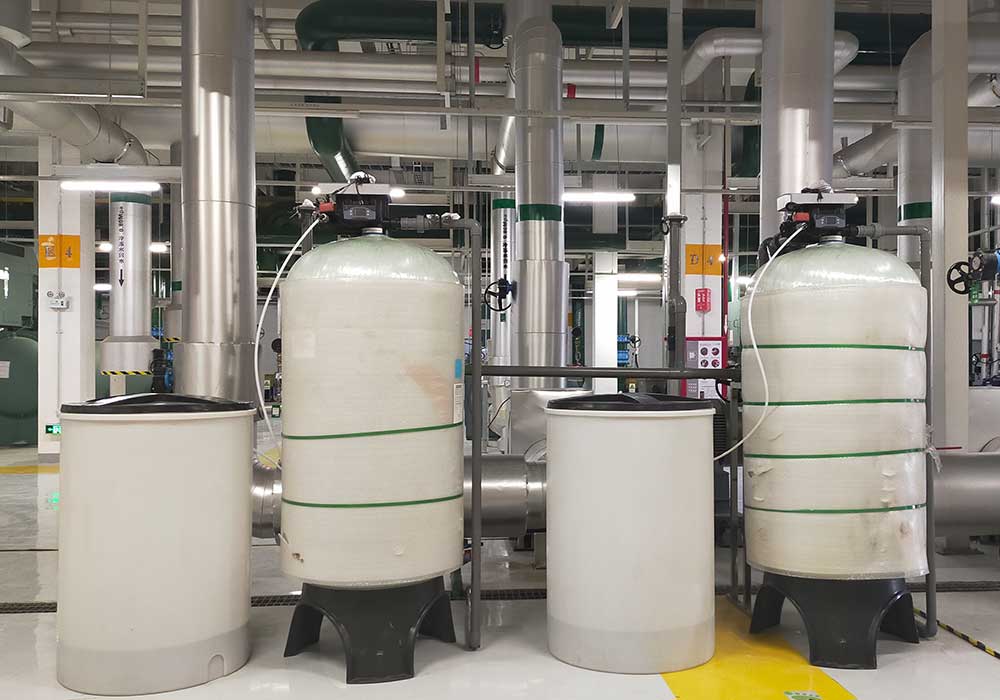



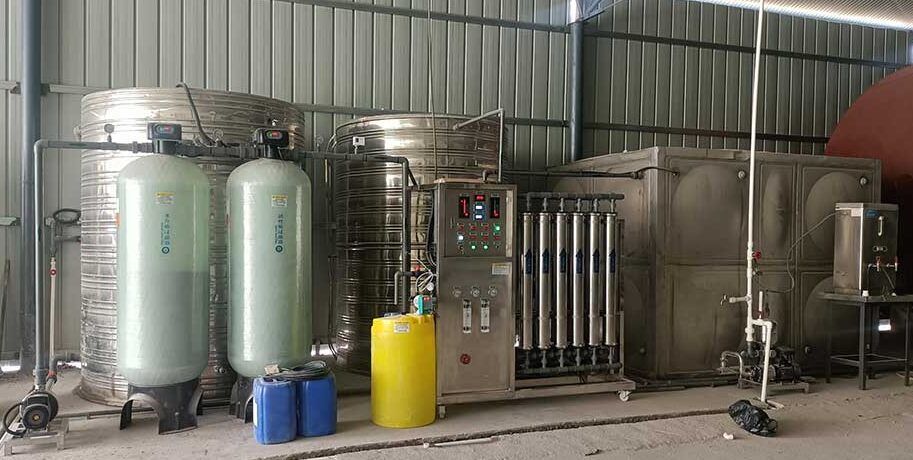
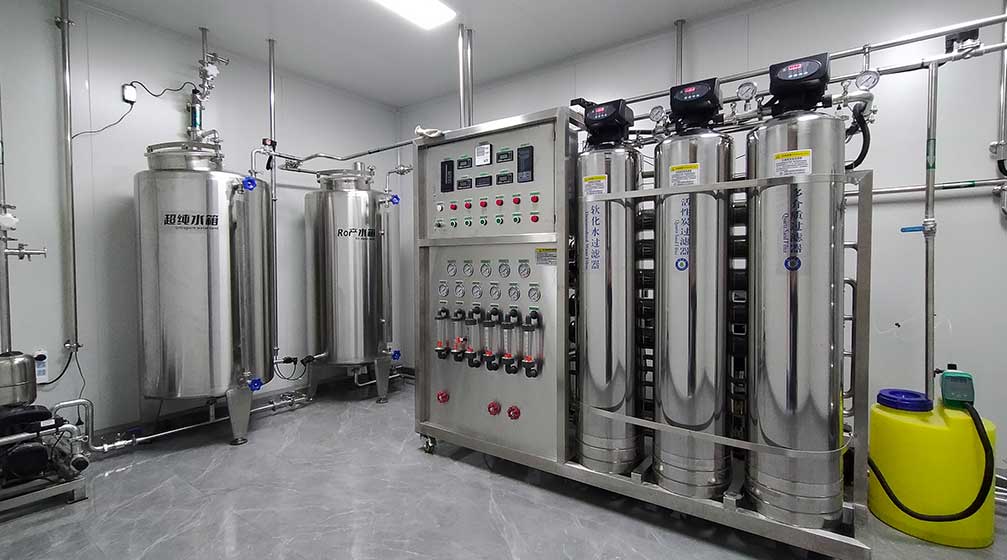
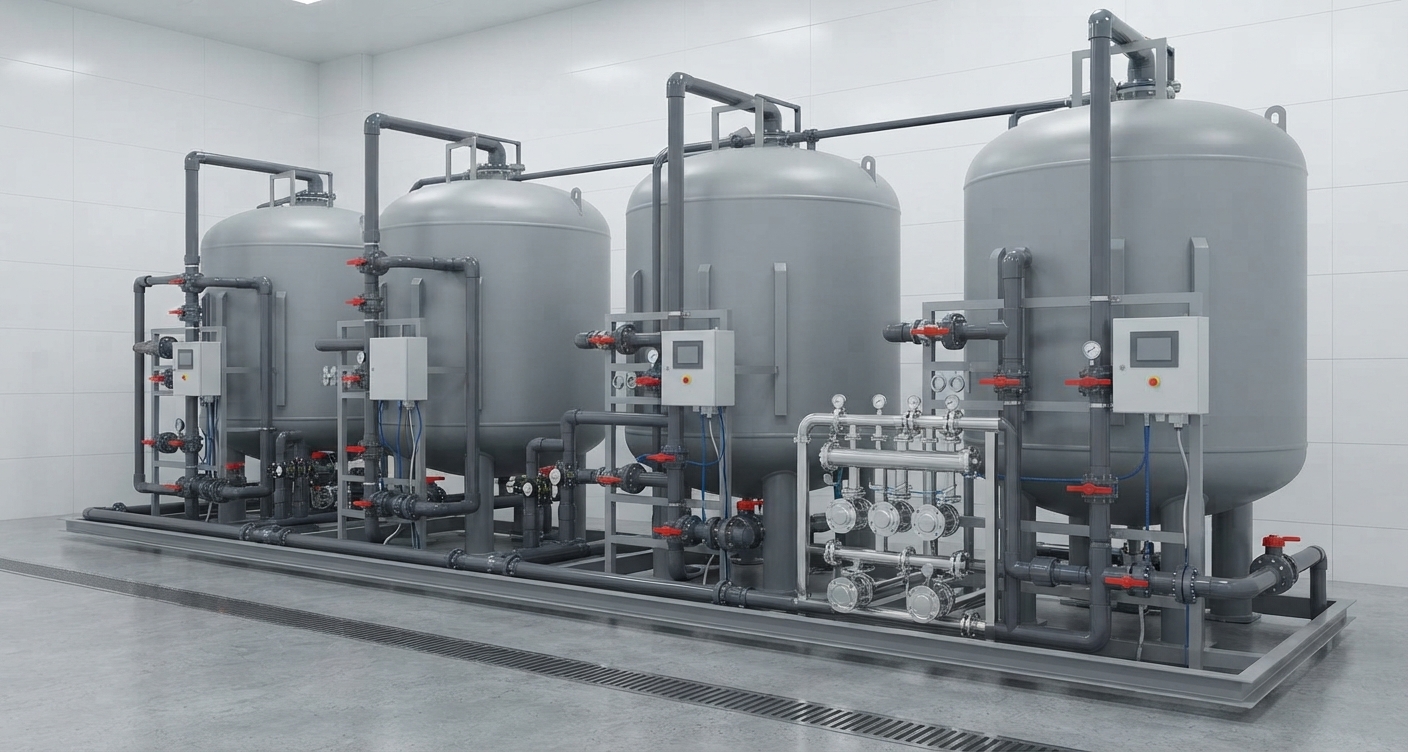
Industrial Multi-Media Filtration Systems
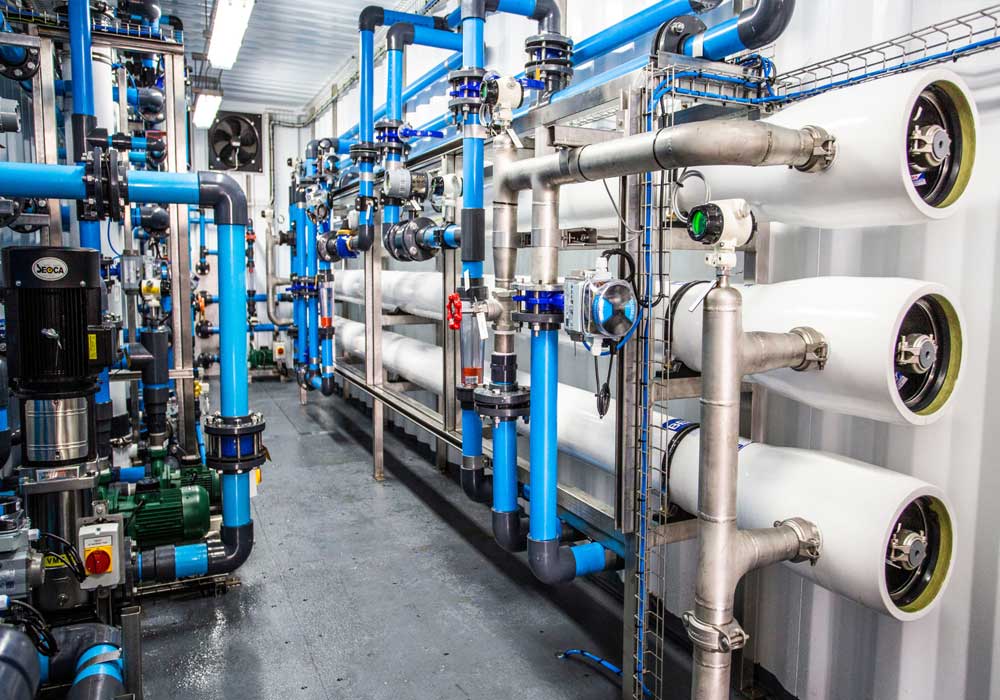
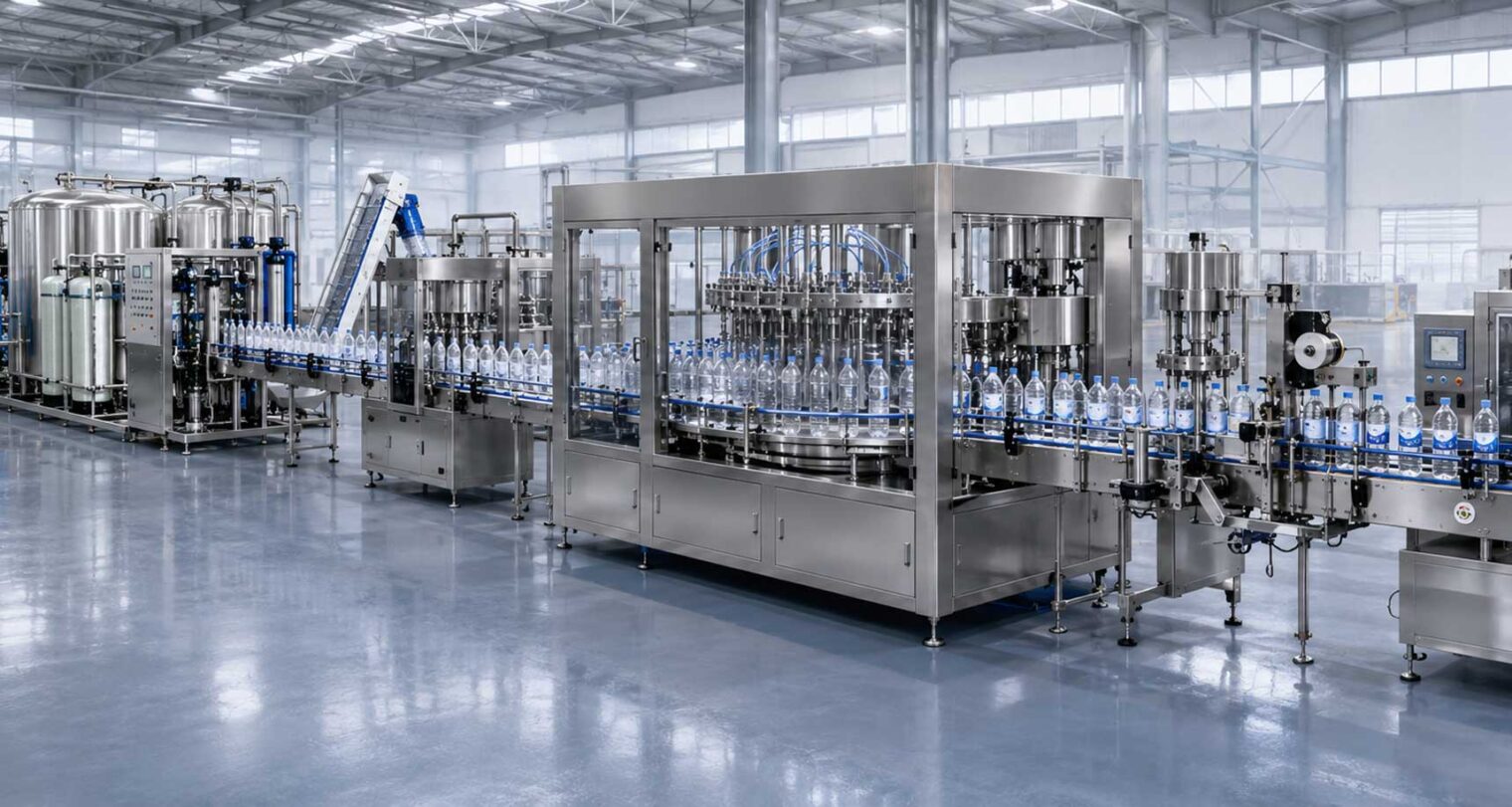
Robust pretreatment solutions engineered to efficiently remove suspended solids, turbidity, and impurities, ensuring optimal protection and longevity for downstream reverse osmosis and high-purity water systems.
Multi-Media Pretreatment System Working Principle
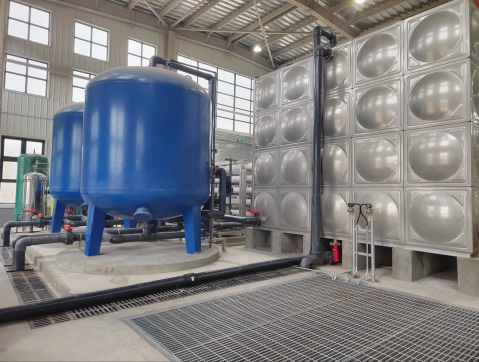
Multi-media filtration is the foundational pretreatment process used to remove suspended solids, turbidity, and impurities, protecting downstream RO, UF, or EDI systems.
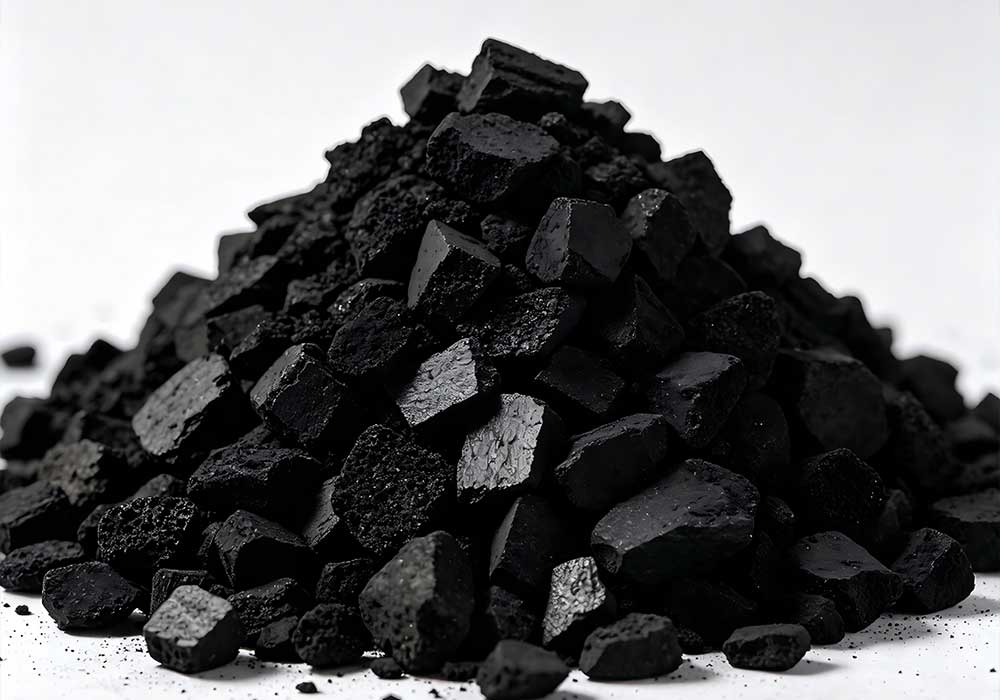
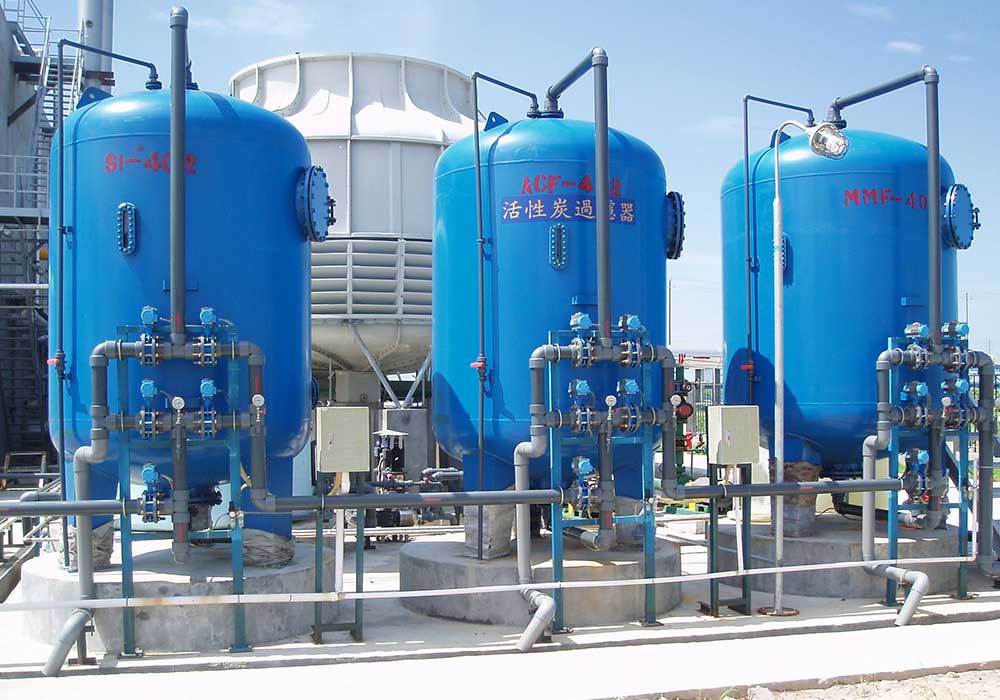
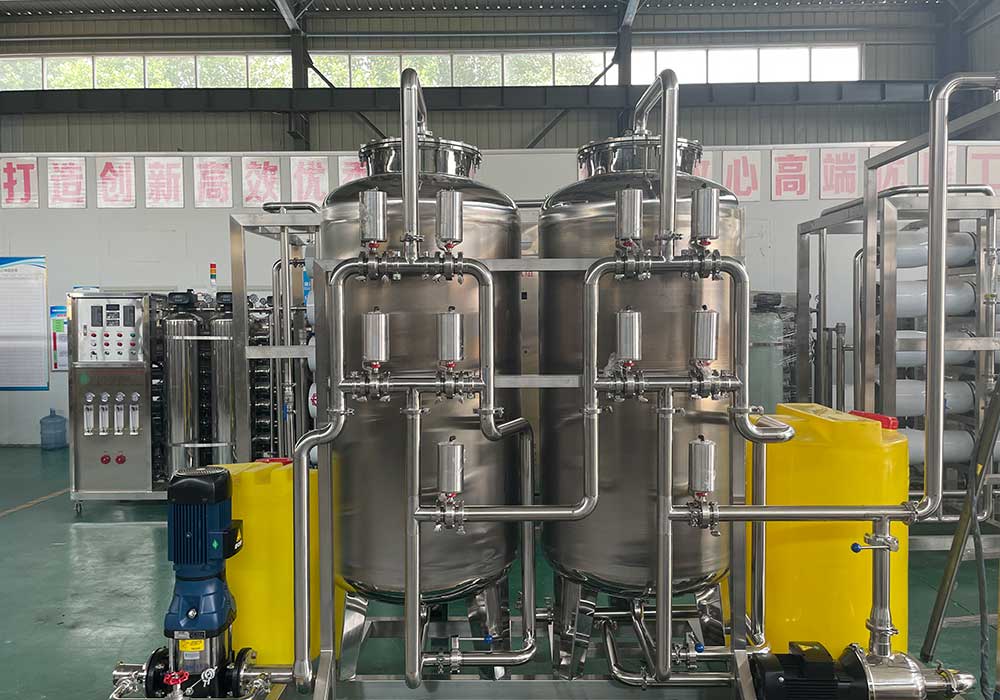
- Deep Bed Filtration: Water flows through multiple layers of graded media (e.g., anthracite, quartz sand, garnet) arranged from coarse (top) to fine (bottom), allowing full-depth contaminant trapping.
- Physical Screening & Adsorption: Media gaps physically block suspended particles while trapping colloids through surface attraction.
- Backwashing: Periodic reverse water and air flow expands the media bed to flush out trapped impurities and restore filtering efficiency.
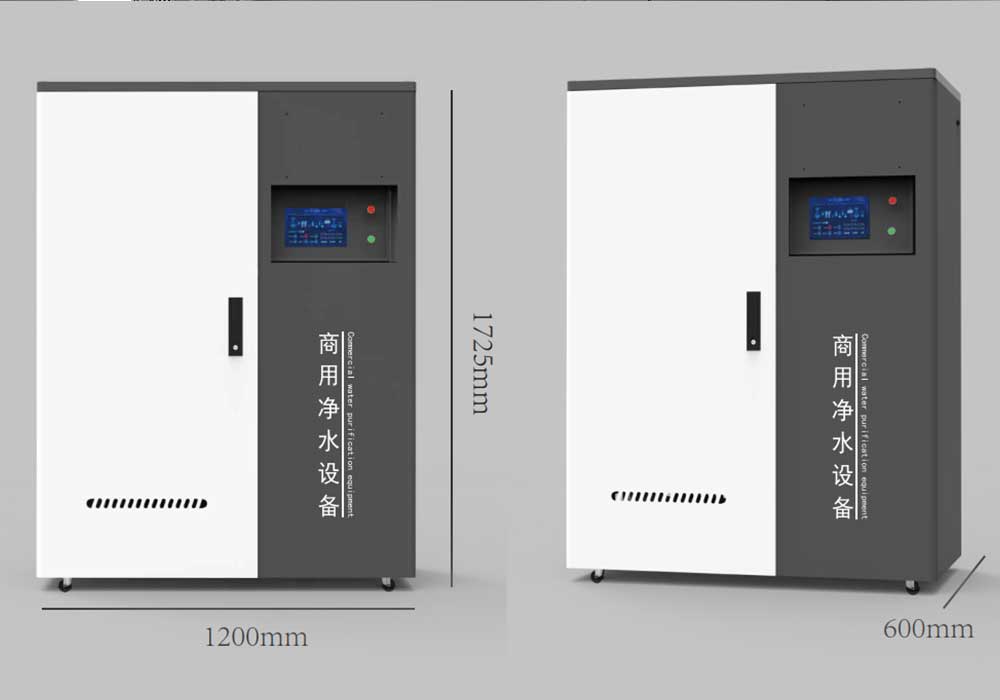
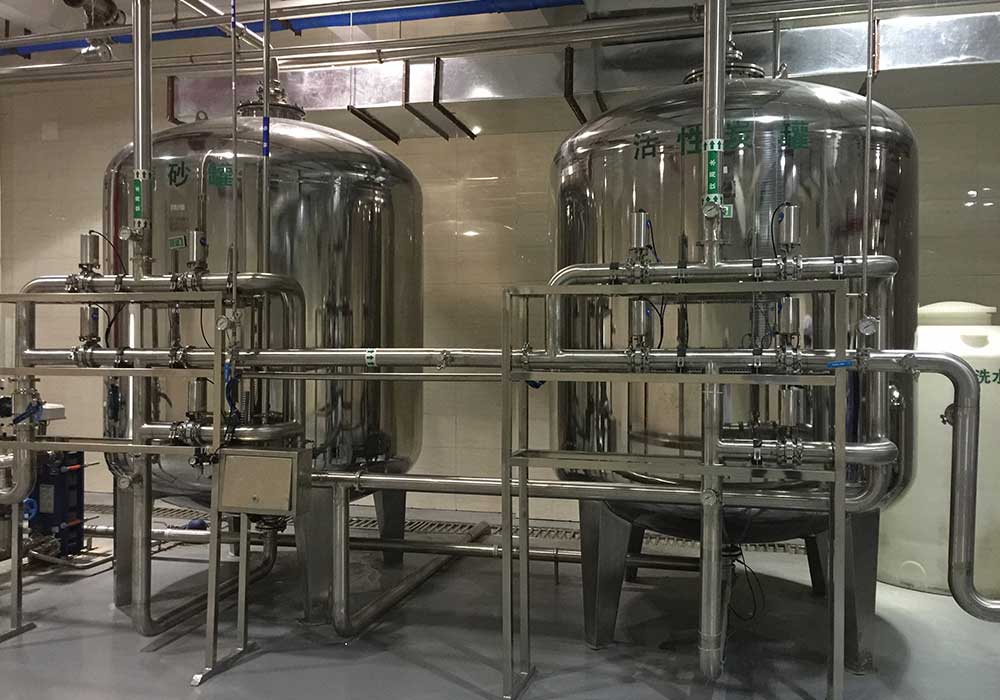
Product Classification
Frequently Asked Questions (FAQ)
We employ a “consultative design” approach. We align deeply with your technical team during the design phase, delivering PFDs and 3D layouts to ensure the system perfectly matches your specific process constraints.
We establish a project baseline during the “Solution Finalization” phase. If adjustments are needed after the baseline is locked, we conduct an engineering impact assessment and provide a supplemental agreement, ensuring full transparency in project timelines and costs.
We adhere to a “transparency-first” principle. We provide a Bill of Materials (BOM) specifying the brand and model of all core components during the design phase, prioritizing Tier-1 global brands to ensure peak performance and global serviceability.
We adhere to rigorous quality management systems (ISO9001). For export projects, we support manufacturing compliant with international standards such as CE, UL, and ASME to meet your specific regional regulatory requirements.
For custom systems, we execute rigorous Factory Acceptance Testing (FAT). Protocols are tailor-made for your unique requirements, and we invite you to witness critical test stages via remote video. A comprehensive test report is included in the shipment.
Lead times depend on project scale and complexity. We clearly define key milestones—manufacturing, FAT, and shipping—in the contract to ensure transparent scheduling and timely project progression.
We provide 24/7 remote support via video guidance and online diagnostics. Senior engineers are available for on-site installation and commissioning services upon request.
We provide a comprehensive list of consumables upon delivery and offer full-lifecycle support. We ensure the regular supply of spare parts to prevent operational downtime.